
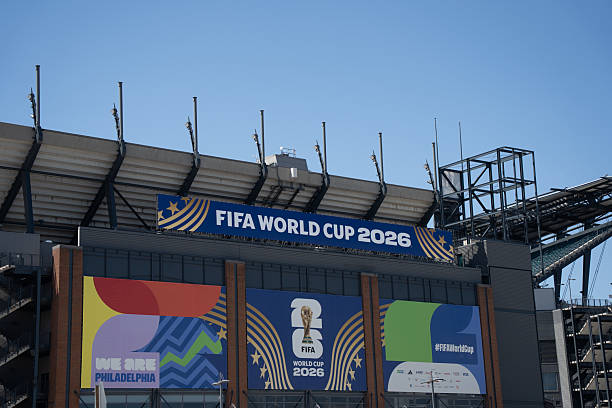
World Cup Philadelphia was expected to bring international attention, millions of visitors, and billions in economic activity. Yet just weeks before kickoff, many headlines questioned whether the tournament would actually live up to the hype. As it turns out, Philadelphia exceeded expectations—and local businesses that prepared early were positioned to benefit.
When World Cup Philadelphia was announced as one of the host cities for the FIFA World Cup 2026, the excitement was undeniable. The tournament promised millions of visitors, unprecedented global attention, and billions of dollars in economic activity across North America. Yet in the weeks leading up to the tournament, headlines began suggesting the economic impact might fall short of expectations.
Looking back now, it’s clear those concerns missed the bigger picture.
Philadelphia didn’t just host World Cup matches—it embraced them. From packed sports bars and overflowing Fan Fest crowds to increased activity across neighborhoods and commercial corridors, the city proved that the economic impact of the World Cup extended far beyond international tourism.
World Cup Philadelphia Became Part of History
The FIFA World Cup 2026 marked the largest tournament in the competition’s history, expanding to 48 national teams and being hosted across the United States, Canada, and Mexico. Philadelphia was selected as one of only a handful of American cities trusted to welcome the world’s biggest sporting event.
Hosting the World Cup wasn’t simply about soccer. It represented years of planning, infrastructure improvements, tourism initiatives, and collaboration between public agencies, local organizations, and small businesses preparing for millions of potential visitors.
For Philadelphia, it was an opportunity to introduce the city to a global audience while creating lasting economic benefits for local businesses.
Why Some Experts Questioned the World Cup Economic Impact
In the months leading up to kickoff, several reports pointed to softer-than-expected hotel bookings and lower international travel numbers. Some analysts questioned whether the tournament would deliver the massive economic impact that had originally been projected.
Those concerns focused heavily on visitors traveling from overseas.
What many projections underestimated was the behavior of people much closer to home.
Residents from throughout the Philadelphia region—and neighboring states including New Jersey, Delaware, and Maryland—traveled into the city repeatedly during the tournament. Many locals who normally stayed home chose to spend evenings downtown, visit Fan Fest events, dine at restaurants, and watch matches with friends at bars and public viewing parties.
The economic impact wasn’t driven solely by international tourists checking into hotels.
It was created by millions of individual moments across the city.
World Cup Philadelphia Showed Up and Showed Out
Throughout the tournament, Philadelphia felt different.
Neighborhood restaurants were filled with supporters wearing national team jerseys. Sports bars became gathering places throughout the day. Public spaces transformed into celebrations of cultures from around the world.
The FIFA Fan Fest at Lemon Hill became one of the city’s defining experiences, giving residents and visitors alike a place to watch matches, enjoy live entertainment, and celebrate together.
For many businesses, the tournament wasn’t just about a single weekend—it created weeks of increased foot traffic and customer engagement.
Restaurants served more diners.
Retail stores welcomed new customers.
Transportation systems saw increased ridership.
Entertainment venues benefited from visitors looking to experience everything Philadelphia had to offer.
The World Cup reminded everyone that economic impact isn’t measured only by hotel occupancy. It’s measured by thousands of local businesses benefiting from increased activity across an entire city.
Helping Philadelphia Businesses Prepare Before the World Cup
Long before the first whistle was blown, local organizations were already working to help Philadelphia’s small businesses prepare for the opportunity ahead.
Earlier this year, Everyday Web partnered with SEPTA and Philadelphia’s FIFA World Cup initiatives to educate business owners on how improving their digital presence could help them attract more customers during one of the largest tourism events in the city’s history.
The workshops focused on practical strategies that many small businesses overlook:
- Having a modern, mobile-friendly website
- Improving local SEO
- Making businesses easier to discover on Google
- Ensuring visitors could quickly find menus, hours, locations, and services
- Preparing online for increased search traffic
Looking back now, it’s rewarding to see those preparations translate into real opportunities for local businesses as Philadelphia welcomed visitors from around the world.
Why Having a Strong Online Presence Mattered
Today’s travelers rarely walk around hoping to stumble upon a restaurant or local shop.
Instead, they search.
“Coffee near me.”
“Best cheesesteak in Philadelphia.”
“Restaurants near FIFA Fan Fest.”
“Things to do after the match.”
Every one of those searches represented an opportunity for a local business.
Businesses with optimized websites, accurate Google Business Profiles, and strong local SEO were significantly better positioned to capture those customers than businesses with outdated or incomplete online information.
Major events like the World Cup don’t create demand—they amplify it. The businesses that benefit most are often the ones that prepared long before visitors arrived.
How Philadelphia’s FIFA Fan Fest Compared to Other Host Cities
Every host city created its own unique Fan Fest experience, but Philadelphia’s celebration quickly became one of the tournament’s standout destinations.
While cities like Houston, Miami, Los Angeles, Atlanta, Seattle, and Kansas City hosted impressive FIFA Fan Festivals of their own, Philadelphia’s Fan Fest at Lemon Hill successfully blended the city’s passionate sports culture with its iconic public spaces.
Visitors experienced live music, food vendors, cultural programming, family-friendly activities, and a vibrant atmosphere that extended well beyond the matches themselves.
For many residents, the Fan Fest became more than a viewing party—it became a gathering place that showcased everything Philadelphia has to offer.
The success of the event demonstrated how public programming can create meaningful economic benefits not only for the event itself but also for surrounding restaurants, retailers, hotels, and transportation providers.
The Lasting Economic Impact of the World Cup
The biggest takeaway from FIFA World Cup 2026 is that cities shouldn’t evaluate success using only one metric.
Hotel bookings matter.
International visitors matter.
But so do local residents, regional tourism, repeat visits, restaurant spending, public transportation usage, retail purchases, and the countless small businesses that experience increased demand during major events.
Philadelphia proved that a world-class sporting event can generate economic activity throughout an entire city—not just around the stadium.
The official Philadelphia World Cup economic impact summary highlights the scale of the tournament’s contribution to the region and reinforces how broad those benefits ultimately became.
By the Numbers: The World Cup’s Economic Impact on Philadelphia
While much of the conversation leading up to the tournament focused on2 hotel occupancy and international arrivals, the broader economic picture tells a very different story. The FIFA World Cup 2026 generated benefits across Pennsylvania’s economy—from creating jobs to driving tax revenue and increasing wages.
Source: phillyfwc26
Here’s what the tournament delivered:
- 💰 $770 million in total economic impact across Philadelphia and Pennsylvania.
- 👷 6,615 total jobs supported by World Cup-related economic activity.
- 💵 $314 million in employee compensation paid to workers throughout the region.
- 🏛️ $51 million in tax revenue generated for Pennsylvania.
- 📈 Every $1 invested in hosting the tournament is projected to generate 4–6 times that amount back into Pennsylvania’s economy.
- ⚽ The tournament also accelerated 26 significant investments in soccer infrastructure, helping leave a lasting legacy beyond the final match.
- 🗓️ The event supported the equivalent of 35 full workdays for laborers, reflecting the extensive planning, construction, and operations required to host a global event.
These figures reinforce an important point: the World Cup wasn’t simply a sporting event—it was an economic catalyst. The benefits extended well beyond the stadium, reaching restaurants, hotels, retailers, transportation providers, construction workers, and thousands of small businesses that helped welcome the world to Philadelphia.
Looking Ahead
It’s remarkable to think how quickly the conversation changed. Months before kickoff, many wondered whether the World Cup would deliver on its economic promises. Today, Philadelphia has a different story to tell.
The city welcomed the world, local businesses rose to the occasion, and the tournament demonstrated what can happen when public agencies, community organizations, and entrepreneurs work together toward a shared goal.
Earlier this year, we had the privilege of standing alongside SEPTA and Philadelphia’s World Cup partners to help businesses prepare for that opportunity. Looking back now, it’s exciting to see those efforts become part of a much larger success story.
For Philadelphia, the World Cup wasn’t just a month-long event.
It became a reminder that investing in your business before opportunity arrives is often what determines whether you’re ready to seize it when the world comes knocking.