
In brief: Small business contracts with Philly universities, hospitals, and public agencies can start with services you already sell, like cleaning, pest control, or maintenance. Our takeaway from the Penn Local Business Exchange was to identify who buys your service, get your business paperwork in order, and follow up with a branded email and a website that shows what you can deliver.
How to Pursue Small Business Contracts With Penn and Other Philly Institutions
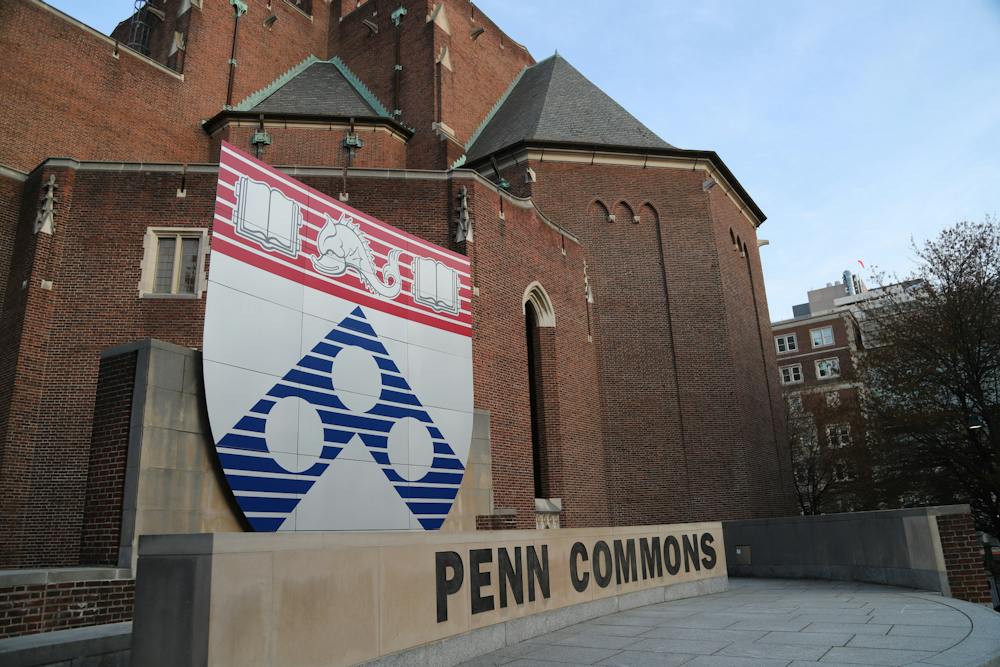
Small business contracts with Philadelphia institutions like the University of Pennsylvania were the reason we went to the Penn Local Business Exchange. We wanted to learn what it takes for a local company to become a supplier. Our team at Everyday Web attended the November 11 event at the Annenberg Center for the Performing Arts, where Penn brought together university buyers, local suppliers, and business organizations. Penn Procurement’s event announcement
One theme from the panel stuck with us. Philadelphia still has work to do to help its small businesses grow, and purchasing is one place where large institutions can make a difference. Every campus needs pest control, office supplies, cleaning, and building maintenance. If you already provide one of those services to local businesses, it’s worth finding out how the universities and hospitals down the street buy it.
Where to look for small business contracts in Philly
Higher education and health care are often called “eds and meds” in Philadelphia. The Philadelphia Fed’s 2024 data put the Philadelphia–Camden–Wilmington metro area’s reliance index at 1.39, compared with a national benchmark of 1.00. In plain English, colleges, universities, and hospitals account for a larger share of economic activity in our region than they do nationwide. Philadelphia Fed Anchor Economy Dashboard · Regional data brief
That matters to a local business because those institutions buy things you may already sell. A commercial cleaning company could ask who handles purchasing for a particular campus facility. An office supply business could find out which products are purchased centrally and which departments have some flexibility. Start with one institution and one service you already deliver well. It’s easier to have a useful conversation when you can explain exactly where you fit.
How to prepare for small business contracts
The Penn Local Business Exchange gave local suppliers a chance to ask buyers directly how their institutions purchase goods and services. You can start learning how small business procurement works at a specific institution by asking who buys what you sell and when they review vendors. If you run a pest control business, try asking, “Who manages pest control contracts for campus facilities, and when do those contracts typically come up for review?” That gives the person you met something concrete to answer or forward to the right colleague.
Before you reach out, put a few things together.
- Find out who buys what you sell. Start with the institution’s procurement website, then identify the department or buyer responsible for your category. At Penn, new suppliers need an invitation from the university before they can register. Penn’s supplier registration guide
- Prepare a one-page capabilities statement. Include what you sell, where you work, the size of job you can handle, and one or two examples of similar work. Add relevant licenses or certifications and a direct point of contact.
- Check what you can deliver. If a buyer asks you to clean multiple buildings after hours or deliver supplies to several locations each week, know what you can staff, how quickly you can start, and what you’d charge. Ask early about insurance, onboarding, and payment terms so you can price the work with those details in mind.
- Send a follow-up someone can forward. Remind them where you met, describe your service in one sentence, and link to a relevant example of your work. Ask for the right contact or the next step for your category.
Your procurement to-do list
- Get your business paperwork in order. Pull together your Employer Identification Number (EIN), your formation documents, and any relevant business tax records. If you’re unsure how Philadelphia’s Business Income & Receipts Tax (BIRT) applies to you or what you need to file, check the City’s guidance or speak with a qualified tax professional. Philadelphia’s BIRT guidance
- Get a website and branded domain. Use your own domain for both your website and email, so a buyer can go from your follow-up to your services, past work, and contact details. Explore Everyday Web’s small business website design services
- Attend local procurement events. Check the procurement and supplier pages for Penn, Temple, Drexel, and SEPTA for vendor fairs, supplier outreach sessions, and other chances to meet buyers. Check the City of Philadelphia’s procurement site for open bids and sign up for notices in your category. City of Philadelphia available contracts
Give buyers something credible to look up
Imagine a facilities manager forwards your email to the person who handles vendor contracts. That person missed your conversation at the event. They’re going to look up your business and try to answer a few basic questions. What do you do? Have you handled a job like ours? How do we reach you?
A generic email address and an outdated website make that handoff harder than it needs to be. Set up an address on your own domain, like hello@yourcompany.com. Put your services, coverage area, and contact information somewhere a buyer can find them on a phone. Show one or two real projects with enough detail to explain what you delivered. A cleaning company, for example, could describe the kind of property it serviced, how often its crew came in, and how it worked around the client’s operating hours.
If you’re pursuing larger contracts and your website still leaves buyers guessing about what you do, Everyday Web can help you build a site that makes your services and past work easy to verify. Explore our small business website design services.